- mayuricaresemenyih@gmail.com
- 25-1, Jalan 1/5A, Setia Mayuri, 43500 Semenyih, Selangor
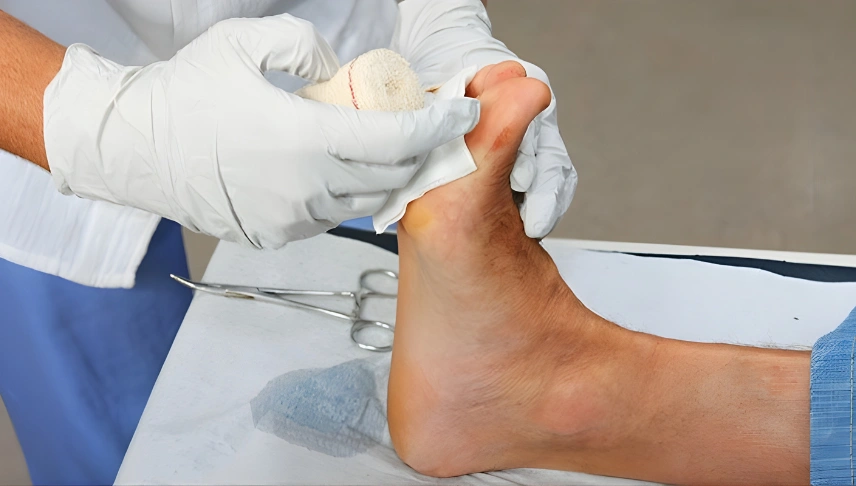
Diabetic wound care in Semenyih requires a focused clinical approach because wounds in diabetic patients often heal slower and carry a higher risk of infection. Factors such as reduced blood flow, nerve damage, and fluctuating glucose levels can make even minor wounds complex. At Klinik Mayuri Care, treatment is structured to address both the wound and the underlying metabolic condition.
Diabetic wounds need specialized medical care to prevent complications and support controlled healing. With proper assessment, treatment planning, and monitoring, patients receive care that improves recovery outcomes while minimizing long-term risks. This makes professional intervention essential for safe and effective healing.
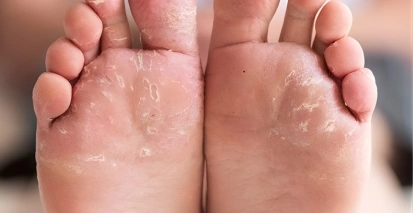
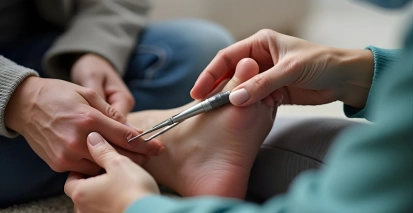
Pressure sores and bed sores occur when prolonged pressure restricts blood circulation to specific areas of the body, leading to tissue breakdown. Diabetic patients are particularly vulnerable due to impaired healing capacity. At Klinik Mayuri Care, treatment focuses on relieving pressure and restoring tissue health.
Pressure sores require early medical care to prevent deeper tissue damage and infection. By improving circulation and protecting affected areas, healing can be supported effectively. This makes pressure sore management a critical part of diabetic wound care in Semenyih.
Effective wound healing begins with proper preparation of the wound bed, including removal of dead or infected tissue. This process allows healthy tissue to regenerate and reduces the risk of infection. At Klinik Mayuri Care, appropriate techniques are selected based on wound type and severity.
Wound debridement helps remove non-healing tissue and promotes faster recovery. Combined with advanced dressing methods, this creates an environment that supports safe and efficient healing. This strengthens outcomes in diabetic wound treatment in Semenyih.
Infection is one of the most common complications in diabetic wounds and can significantly delay healing. Preventing bacterial growth and controlling infection are essential for maintaining wound stability. At Klinik Mayuri Care, infection control is integrated into every stage of treatment.
Infection control is essential to prevent complications and support safe wound healing. Early detection and proper management ensure that wounds heal without unnecessary delays. This plays a crucial role in diabetic wound care in Semenyih.
Not all wounds heal at the same rate, and certain signs may indicate a need for immediate medical attention. Delayed healing, increased pain, or visible changes in the wound can signal underlying complications. At Klinik Mayuri Care, patients are guided to recognize these warning signs early.
Wounds that do not improve or show signs of infection require immediate medical evaluation. Early intervention prevents complications and ensures better recovery outcomes.
Every diabetic wound requires proper evaluation to determine its severity and the most suitable treatment approach. Factors such as wound depth, tissue condition, and presence of infection play a critical role in planning care. At Klinik Mayuri Care, detailed assessment ensures that treatment is tailored to the specific needs of each patient.
Accurate wound evaluation helps determine the most effective treatment strategy for healing. By identifying the stage and underlying cause, care can be directed toward faster recovery and complication prevention. This improves outcomes in diabetic wound care in Semenyih.
A diabetic wound care consultation involves a structured review of the patient’s medical history, wound condition, and overall health status. This process helps identify contributing factors such as blood sugar levels and circulation issues. At Klinik Mayuri Care, consultations are designed to provide clarity and a clear treatment direction.
A wound care consultation helps create a personalized treatment plan for effective healing. Patients receive guidance on dressing, medication if required, and follow-up care. This ensures that diabetic wound care in Semenyih is both targeted and result-oriented.
Blood circulation plays a major role in wound healing, as it delivers oxygen and nutrients required for tissue repair. In diabetic patients, reduced circulation can delay healing and increase the risk of complications. At Klinik Mayuri Care, circulation is evaluated as part of treatment planning.
Poor circulation slows healing and increases the risk of infection in diabetic wounds. Addressing circulation-related issues helps improve recovery outcomes and supports better wound stability. This is a key factor in diabetic wound care in Semenyih.
Consistent daily care is essential for supporting wound healing and preventing complications. Proper hygiene, timely dressing changes, and adherence to medical advice significantly influence recovery. At Klinik Mayuri Care, patients are guided on how to manage their wounds effectively at home.
Proper daily care helps improve healing and reduces the risk of complications. Patients who follow structured care practices often experience faster and safer recovery. This strengthens the effectiveness of infected wound treatment in Semenyih.
Monitoring the progress of wound healing ensures that any issues are identified early and addressed promptly. Regular follow-up helps track improvements and adjust treatment if necessary. At Klinik Mayuri Care, monitoring is an essential part of care.
Regular monitoring ensures wounds heal properly and prevents complications. By evaluating progress consistently, better outcomes can be achieved in diabetic wound care in Semenyih.
Effective wound care requires both professional treatment and patient awareness. Understanding how to manage wounds and recognizing early warning signs can significantly improve healing outcomes. At Klinik Mayuri Care, patient education is integrated into treatment.
Patient awareness supports better adherence and improves healing outcomes. When combined with medical care, it leads to faster recovery and reduced complications. This integrated approach strengthens diabetic wound care in Semenyih.
Managing diabetic wounds through a structured program ensures that every stage of care—assessment, treatment, and monitoring—is handled consistently. Unstructured or delayed care can lead to prolonged healing time and increased risk of complications. At Klinik Mayuri Care, a coordinated approach is followed to maintain stability and improve outcomes.
Structured wound care programs improve healing consistency and reduce complication risks. By aligning treatment with patient condition and wound type, better recovery outcomes can be achieved. This strengthens the effectiveness of diabetic wound care in Semenyih.
Continuous evaluation plays a key role in preventing wounds from worsening or recurring. Regular assessment helps identify issues such as infection, delayed healing, or changes in wound condition early. At Klinik Mayuri Care, follow-up care ensures that treatment remains effective throughout recovery.
Ongoing evaluation helps prevent recurrence and ensures proper healing progression. By monitoring wounds closely, adjustments can be made to improve recovery outcomes. This is essential for maintaining long-term success in diabetic wound care in Semenyih.
The quality of care significantly influences how well a diabetic wound heals. A specialized wound care clinic in Semenyih provides expertise, advanced techniques, and structured protocols required for effective treatment. At Klinik Mayuri Care, patients receive focused care designed to address both wound conditions and underlying health factors.
Specialized wound care improves healing outcomes and reduces long-term complications. With professional supervision and targeted treatment, patients experience safer and more efficient recovery. This enhances the effectiveness of diabetic wound care in Semenyih.
| Care Component | What It Covers | Outcome |
|---|---|---|
| Pressure & Bed Sore Care | Pressure relief and tissue protection | Reduced tissue damage |
| Debridement & Dressing | Removal of dead tissue | Faster healing progression |
| Infection Management | Control of bacterial growth | Reduced complications |
| Consultation & Assessment | Evaluation and treatment planning | Accurate care direction |
| Monitoring & Follow-Up | Continuous wound tracking | Long-term healing stability |
| Preventive Care Guidance | Lifestyle and hygiene support | Reduced recurrence risk |
Diabetic wound healing requires a combination of medical expertise, patient awareness, and continuous monitoring. A consistent and guided approach ensures that wounds heal safely while reducing the risk of complications. At Klinik Mayuri Care, every treatment plan is designed to support both immediate recovery and long-term stability.
Consistent care improves healing outcomes and reduces the risk of long-term complications. Through structured diabetic wound care in Semenyih, patients receive reliable support that enhances recovery and overall health.
Diabetic wounds can progress quickly if early signs are overlooked, especially when healing is already compromised by reduced circulation and nerve sensitivity. What may appear minor can develop into deeper tissue damage or infection if not treated properly. Recognizing changes early and taking timely action is essential for preventing complications.
Delayed treatment of diabetic wounds increases the risk of infection, slow healing, and long-term complications. At Klinik Mayuri Care, patients receive structured diabetic wound care in Semenyih focused on early intervention, infection control, and consistent monitoring to ensure safe recovery.
Effective wound management requires a clear plan, regular monitoring, and guidance that adapts as healing progresses. With the right medical support, even complex diabetic wounds can be managed safely and effectively.
At Klinik Mayuri Care, care is designed to help patients move forward with confidence, supported by structured treatment and continuous follow-up. Take the next step toward better healing with a care approach that focuses on safety, consistency, and long-term recovery.